
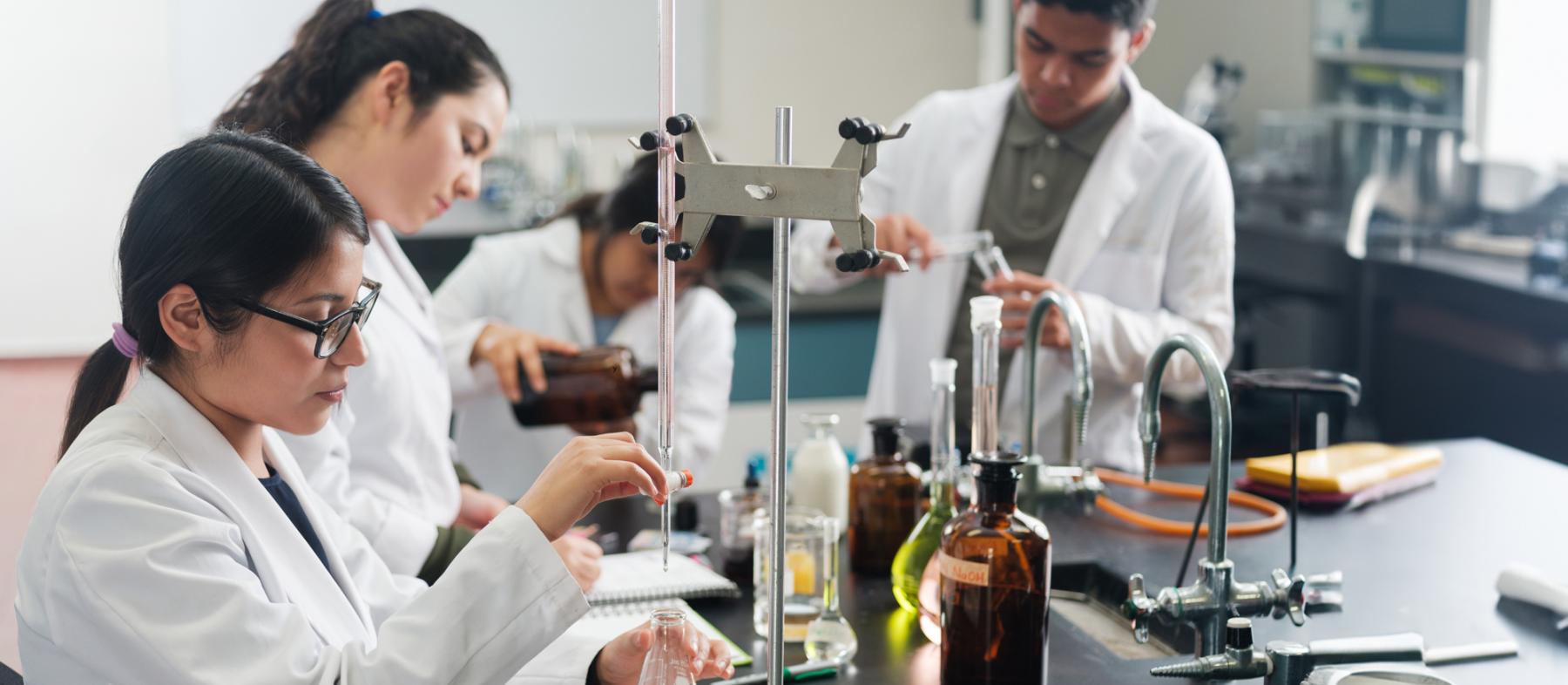
Earn an associate degree or certificate from one of our skills-based Mathematics, Sciences, and Engineering programs. These programs will prepare you for a lucrative career in math or science, or to transfer to a four-year college or university. Find the program that’s right for you and reach out if you need help!
Programs at QCC
Engineering

Engineering - Biomedical Engineering Option
The Engineering - Biomedical Engineering Option is a rigorous program that emphasizes mathematics, sciences, and life sciences; it prepares students for transfer to four-year colleges and universities, at which they can continue their education in all fields of biomedical engineering, medicine, life sciences, and sciences. The program strives to develop students’ ability and awareness to think critically, solve problems, foster a strong sense of global community, and work wisely and creatively to better themselves and the world in which they live.
Engineering
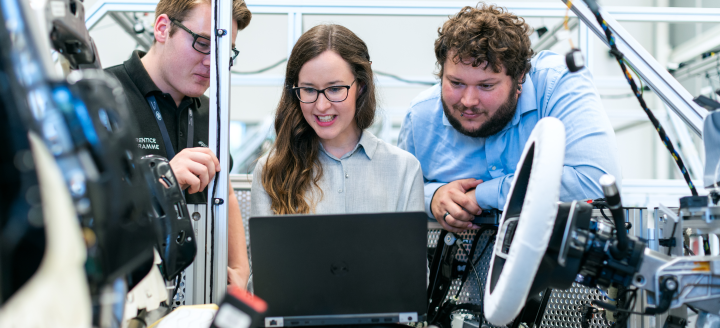
The Engineering associate degree program is a rigorous program that emphasizes mathematics and sciences; it prepares students for transfer to four-year colleges and universities, at which they can continue their education in all fields of engineering, life sciences, and sciences. The program strives to develop students’ ability and awareness to think critically, solve problems, foster a strong sense of global community, and work wisely and creatively to better themselves and the world in which they live.
Science
General Studies - Biotechnology Option
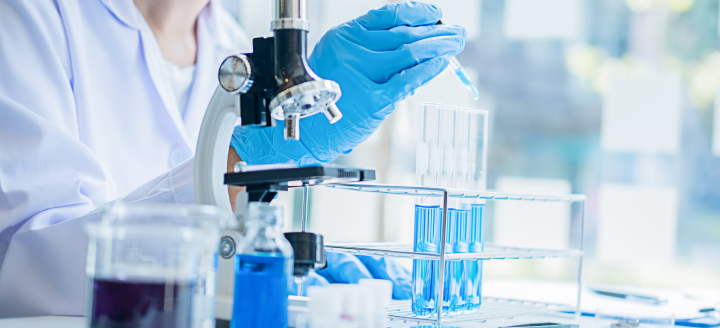
Biotechnology uses the knowledge of living things to improve human life. You can earn a 2-year associate degree or shorter term certificate. Graduates work in many areas, including the making of medicines, the food industry, environmental technology and many others.

Liberal Arts - Environmental Science Option
Students in the environmental science major at QCC are prepared to transfer to a bachelor’s degree program in the environmental field. This program will allow students to evaluate human impact on the environment. As Greta Thurnberg states "We aren’t destroying the biosphere because we are selfish. We are doing it simply because we are unaware." Be a part of the solution and join The Liberal Arts - Environmental Science Option!
Liberal Arts - Chemistry Option
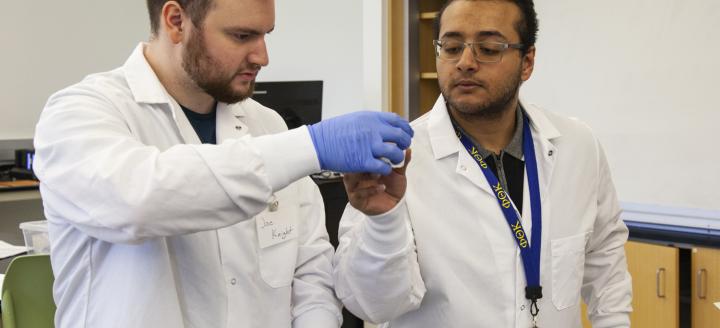
Chemistry is everywhere! Students who complete an associate degree in chemistry can transfer to many 4-year colleges to earn a bachelor's degree. Common bachelor's degree programs include chemistry, biochemistry, or chemical engineering. Students may also begin careers in some chemical research fields.
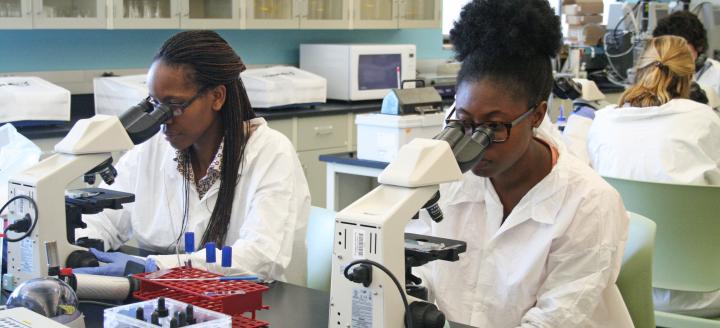
Liberal Arts - Biology Option
Get started with the basics of biology with the Liberal Arts Biology program. Graduates will earn an associate degree that transfers to biology programs at four-year colleges. This degree can also be a first step toward a range of careers, including research scientist, doctor, dentist, or veterinarian.
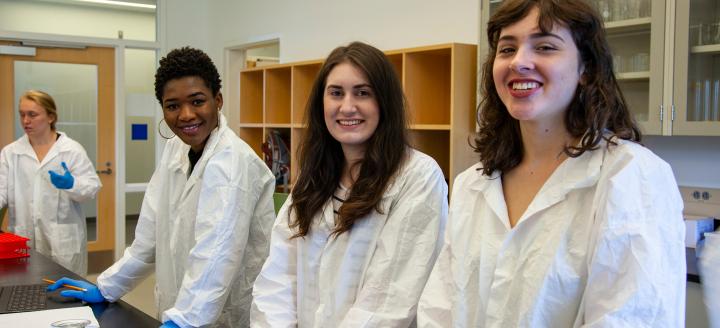
General Studies - Pre-Pharmacy Option
Earn a pre-pharmacy associate degree and transfer directly to pharmacy school! There is a high demand for well-paid pharmacists in community pharmacies as well as drug companies. Many QCC students also receive scholarships to attend pharmacy school.
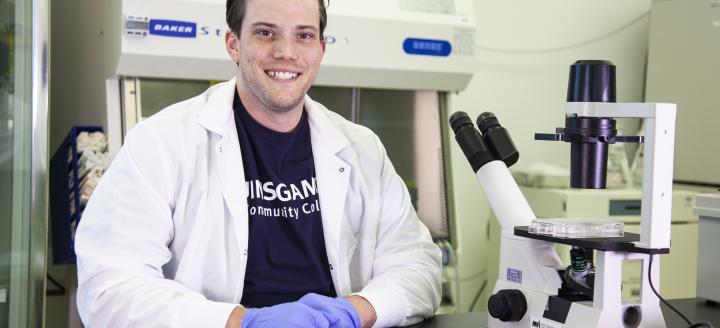
Biotechnology Technician Certificate
The Biotechnology Technician Certificate provides students with an overview of the science of biotechnology, as well as the technical skills necessary for employment in the industry.
Mathematics
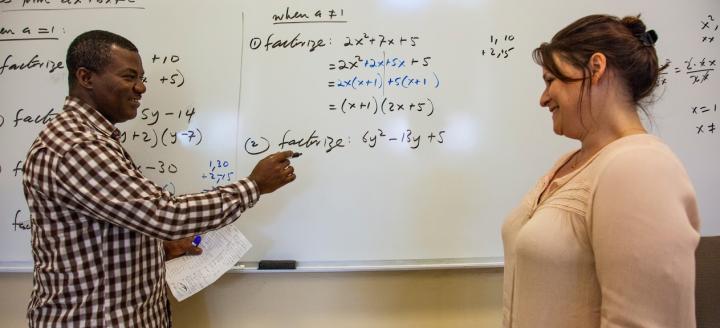
Liberal Arts - Mathematics Option
The QCC Liberal Arts - Mathematics Option associate degree program provides a well-rounded foundational education in the liberal arts disciplines, with an emphasis on courses enabling students to transfer to a bachelor’s degree program in mathematics and/or a related field.
More Areas of Interest
Mathematics, Sciences, and Engineering Faculty & Staff
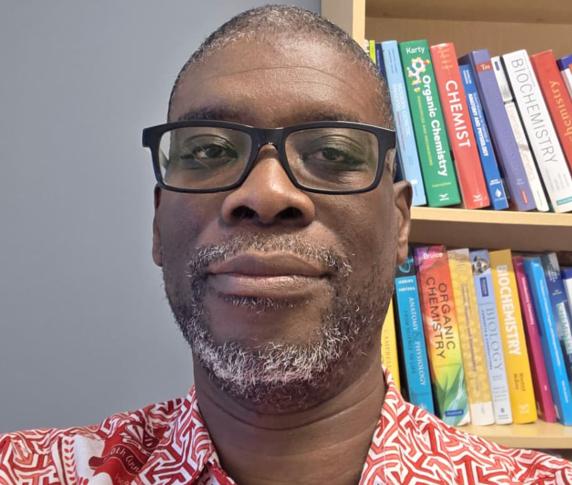
Tetteh Abbeyquaye
Tetteh teaches several Chemistry and Biology courses. He holds a B.Sc. (Hons) in Medical Biochemistry from the University of Birmingham, Birmingham, UK. He also earned a Ph.D. in Drosophila Genetics and Molecular Biology at Clark University, Worcester, MA. Professor Abbeyquaye completed postdoctoral research at Harvard Medical School, focusing on Epithelial-to-Mesenchymal Transitions, and at Boston University School of Medicine, where he researched RAS signaling.
Beyond his academic roles, Tetteh is committed to advancing science education in Ghana.
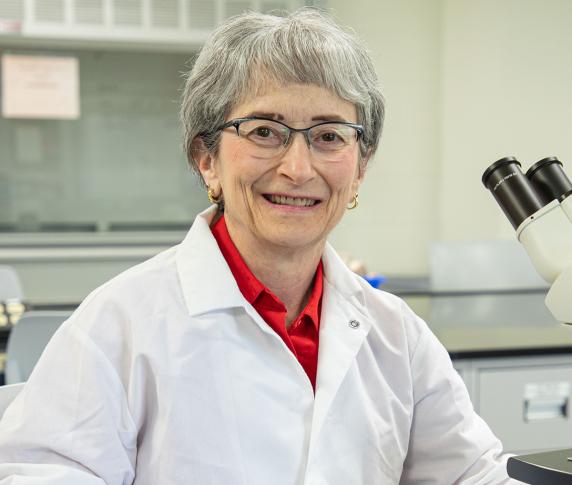
Lisa Antonelli
Lisa teaches human anatomy and physiology courses and the Medical Microbiology course. She earned a Doctor of Dental Medicine degree from the University of Pennsylvania and practiced periodontics for many years.
Professor Antonelli is curious about infectious diseases and stays informed on recent developments in microbiology. She is passionate about helping students prepare for their future education and career in health care.
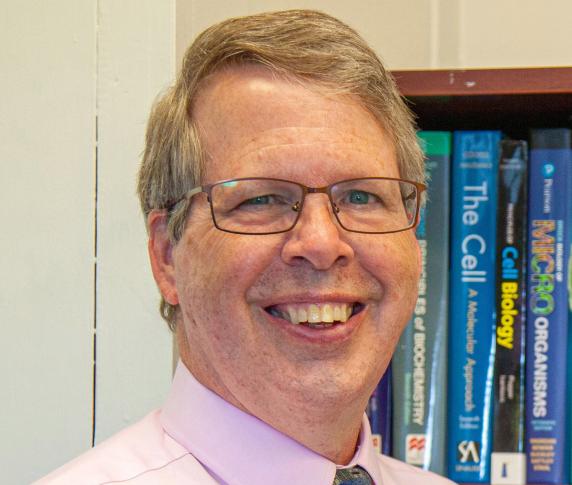
Benjamin Benton
Ben teaches biology and chemistry in the science & engineering department and holds a Ph.D. in Tumor Cell Biology from Northwestern University. Drawing on his extensive background in biotechnology, Benjamin prepares students for a wide range of STEM and healthcare pathways. He is committed to fostering a classroom environment that challenges assumptions, encourages inquiry, and cultivates meaningful collaboration among students.
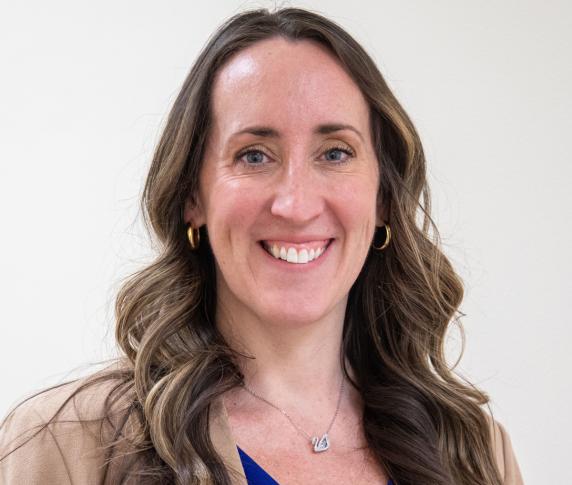
Shanna Cawley
Shanna teaches a variety of biology courses for the science department for STEM majors and healthcare science students. She holds an M.S. in Biomedical Forensics from Boston University.
Professor Cawley centers on making science meaningful and accessible to students. She is passionate about connecting course concepts to real-world applications, promoting the use of open educational resources to improve affordability, and mentoring students as they grow academically and personally.
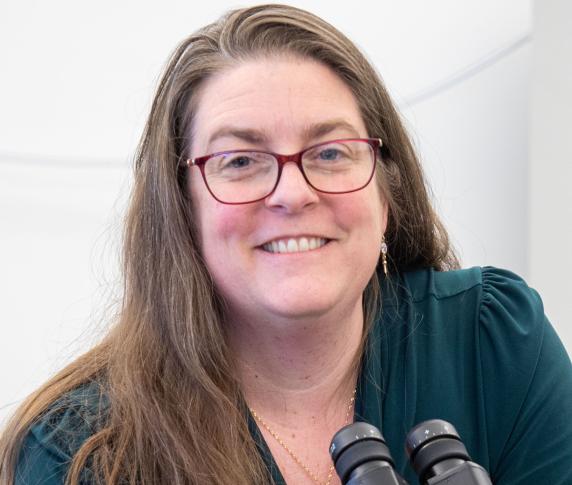
Jessica Crowley
Jessica teaches introductory biology, cell biology and genetics in the science department. She holds a B.S. degree in Biochemistry from the University of New Hampshire and a Ph.D. in Cell Biology from the University of Massachusetts Medical School. Her academic interests include improving the student experience by increasing active learning and authentic research opportunities. Professor Crowley is dedicated to helping biology students see their potential and guiding them on their educational journey.
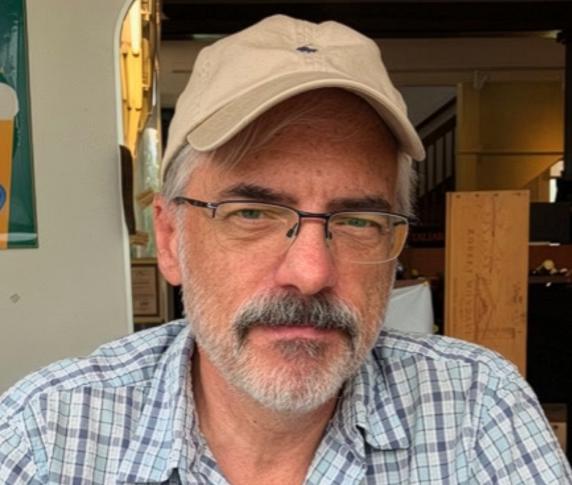
Mark Duvall
Mark teaches a variety of courses in the science department. He holds a M.S. in Educational Technology from the University of Massachusetts, Amherst.
Professor Duvall is passionate about teaching students to think scientifically and to achieve an understanding of the interconnectedness of systems.
His professional interests include plant science, wildlife biology, alternative energy, regenerative agriculture, green building, and environmental conservation.
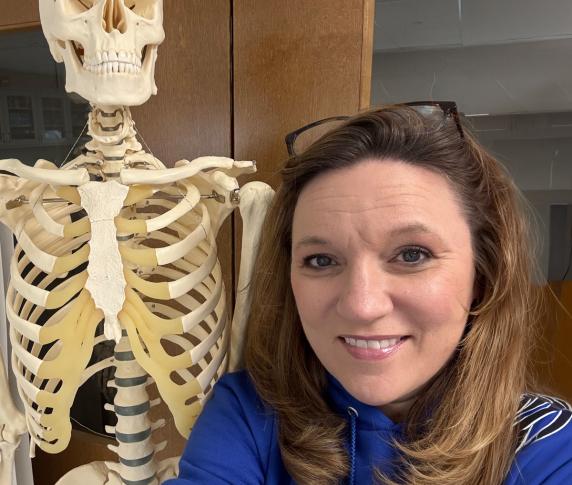
Lauren Klosowski
Lauren teaches Anatomy and Physiology I and II in the science department. She holds a Masters’ degree in education and Biology from Fitchburg State University and a Bachelors’ degree in Health Science from Quinnipiac University. Lauren has a background in physical therapy and also has had experience in teaching Biology, Anatomy and Physiology and Earth Sciences at the high school level. Her areas of expertise include exercise physiology and cardiology as well as developmental anatomy and physiology. Working with students in small group settings that community college provides, is her favorite way to help students learn the material in her courses in order to reach their academic and professional goals.
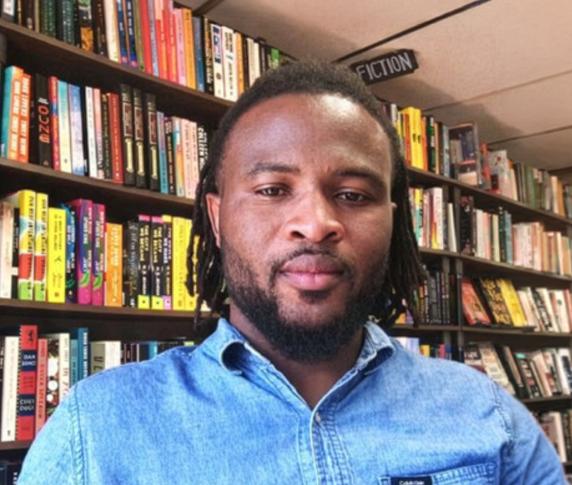
Opeyemi Odewale
Opeyemi teaches in the science department, drawing on his industry experience in quality control and clinical microbiology. He holds an M.S. in Clinical laboratory Science, and Public Health with a specialization in Epidemiology, respectively from University of Rhode Island and Walden University.
His professional interests include the intersection of social networks and health‑seeking behaviors, as well as the pathophysiology of chronic infectious diseases. Professor Odewale is passionate about taking a holistic approach to engaging students in STEM education.
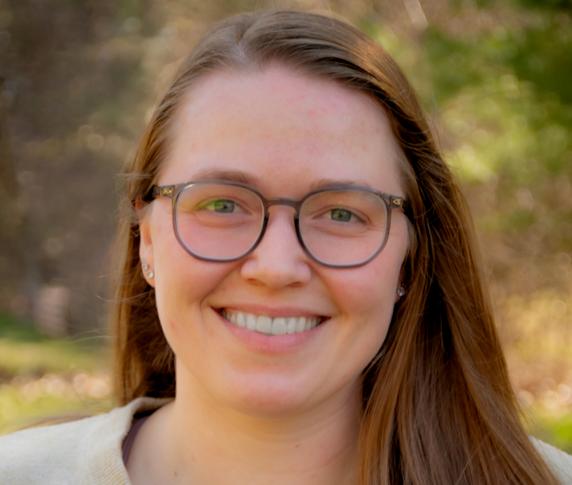
Christine Battle-Otfinoski
Christine teaches Intro to Cells & Molecules and Anatomy & Physiology in the science department. She holds Bachelors’ degrees in Biology and Forensic Science from the University of New Haven, and a Master’s degree and PhD in Molecular and Cellular Biology from UMass Amherst. Her academic interests include Cellular and Molecular Biology, and the applications to human health. Prof. Battle researched developmental neurobiology and the molecular mechanisms underlying visual pathways at UMass Amherst. She enjoys connecting with students and helping them grow into scientists who are curious and passionate about their fields.
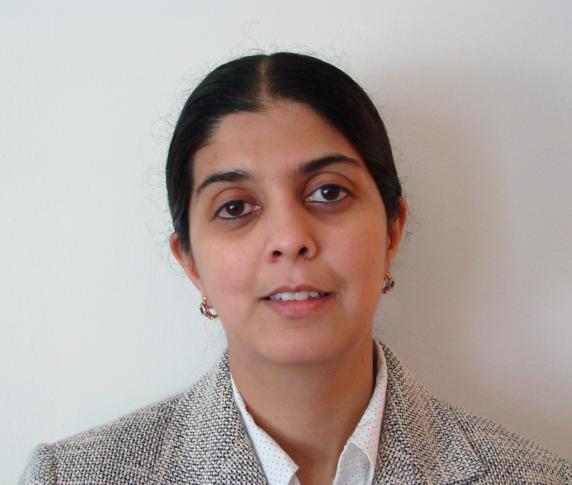
Archana Mudbidri
Archana teaches biology and biotechnology in the science department. She holds a Ph.D. in Microbiology from Mysore University, India. Her research interests include the application of microbiology to the fields of food production, biopharmaceuticals and bioremediation.
Archana believes that learning is a lifelong process and strives to create an inclusive learning environment to inspire and empower learners to create a positive impact in their lives.

Florence Munyiri
Florence teaches Earth and Life Science courses. She holds a B.Ed. in Botany and Zoology and an M.Sc. in Agricultural Entomology from Kenyatta University, and an M.sc and a Ph.D. in Agricultural and Environmental Biology from the University of Tokyo. Her interests include environmental science, climate, sustainability, and interdisciplinary science education. Her courses emphasize real‑world challenges to foster critical thinking and scientific literacy. Her research examined the regulation of growth and development in Psacothea hilaris, the effects of irradiation on medfly behavior, and pheromone‑based behavior in Chilo species, contributing to the development of environmentally friendly insect pest management strategies.
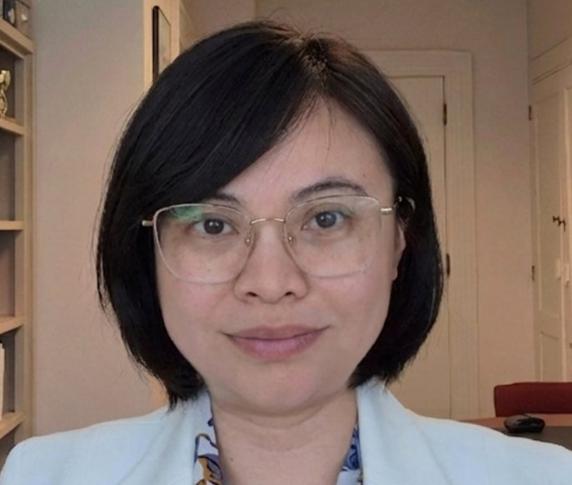
My Nguyen
My teaches physics and astronomy in the science department. Nguyen holds an MS in physics from the University of Wyoming. Her academic interests encompass physics, astronomy, and education research, together with data analysis, rooted in graduate work on quasar clustering and supermassive black holes. In the classroom, she employs active learning strategies to make abstract concepts tangible and build student confidence through real-world connections. She is especially passionate about making physics accessible to all students and helping every learner discover their potential.
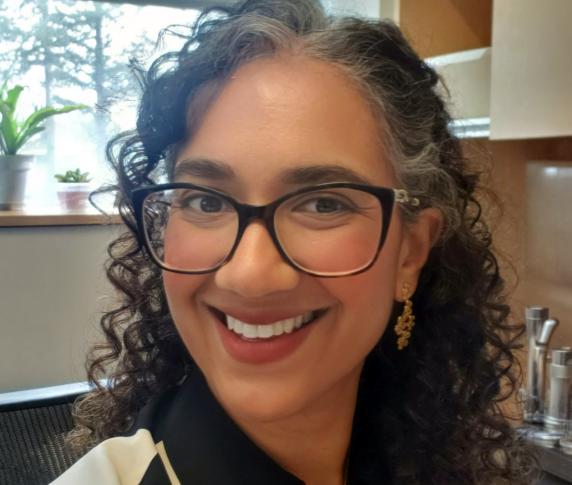
Anita Soracco
Anita teaches in the engineering and science department, drawing on her industry experience in water and wastewater treatment. She holds a B.S. and M.S. in Civil & Environmental Engineering from Worcester Polytechnic Institute (WPI).
Her professional interests include water security and adapting infrastructure to withstand climate change. Professor Soracco is deeply passionate about mentoring women in STEM and empowering students to build a more sustainable future.
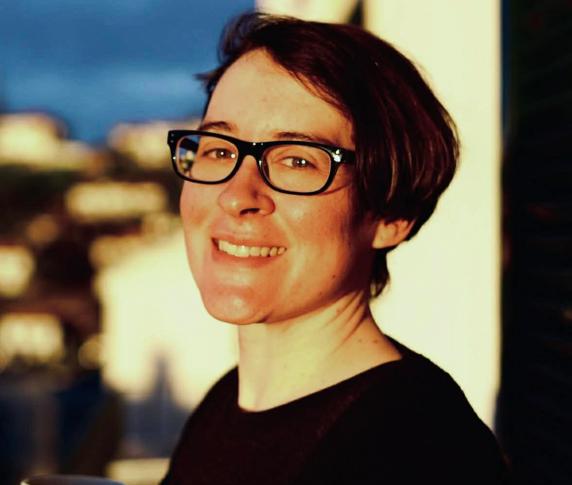
Patricia Pope
Patty works behind the scenes making sure the science labs run successfully. She holds B.S. degrees in Biotechnology and Biochemistry from Worcester Polytechnic Institute (WPI) and a Ph.D. in Biomedical Sciences from UMass Worcester. Her doctoral work focused on cell cycle control and signaling pathways in yeast.
Kim Mohareb
Kim manages the labs for health care biology and environmental/earth science. She received a B.S. in Biology, minor in Chemistry from Worcester State University. Her professional experience is primarily in the field of microbiology and tissue culture.
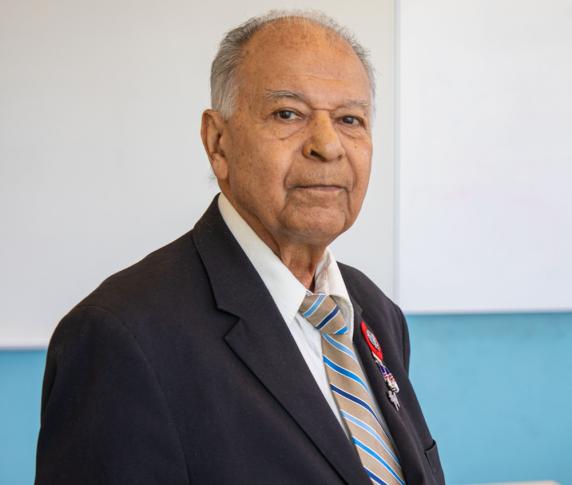
Dadbeh Bigonahy
Professor Dadbeh Bigonahy has dedicated an extraordinary 44 years of service to Quinsigamond Community College, leaving a lasting impact on generations of students and on the QCC Engineering program. He earned his B.S. in Engineering from Tehran Polytech University and his M.S. in Mechanical Engineering from Worcester Polytechnic Institute.
Throughout his distinguished career at QCC, Professor Bigonahy has been deeply committed to education and to inspiring students to discover the possibilities of engineering. His passion for teaching, mentorship, and encouraging students to pursue careers in engineering has been a defining part of his service to the College.
His academic interests include biomedical engineering, reflecting his broad curiosity about the ways engineering can improve lives and advance human health. His 44 years of dedication represent not only a remarkable career, but also a legacy of mentorship, inspiration, and service that will continue to influence the QCC community for years to come.
Have More Questions?
We are here to help answer any of your questions or find the person who can. Contact us for support.